
Future Possibilities
Practical communications training
Your practical PR courses, together under a name professionals can return to.
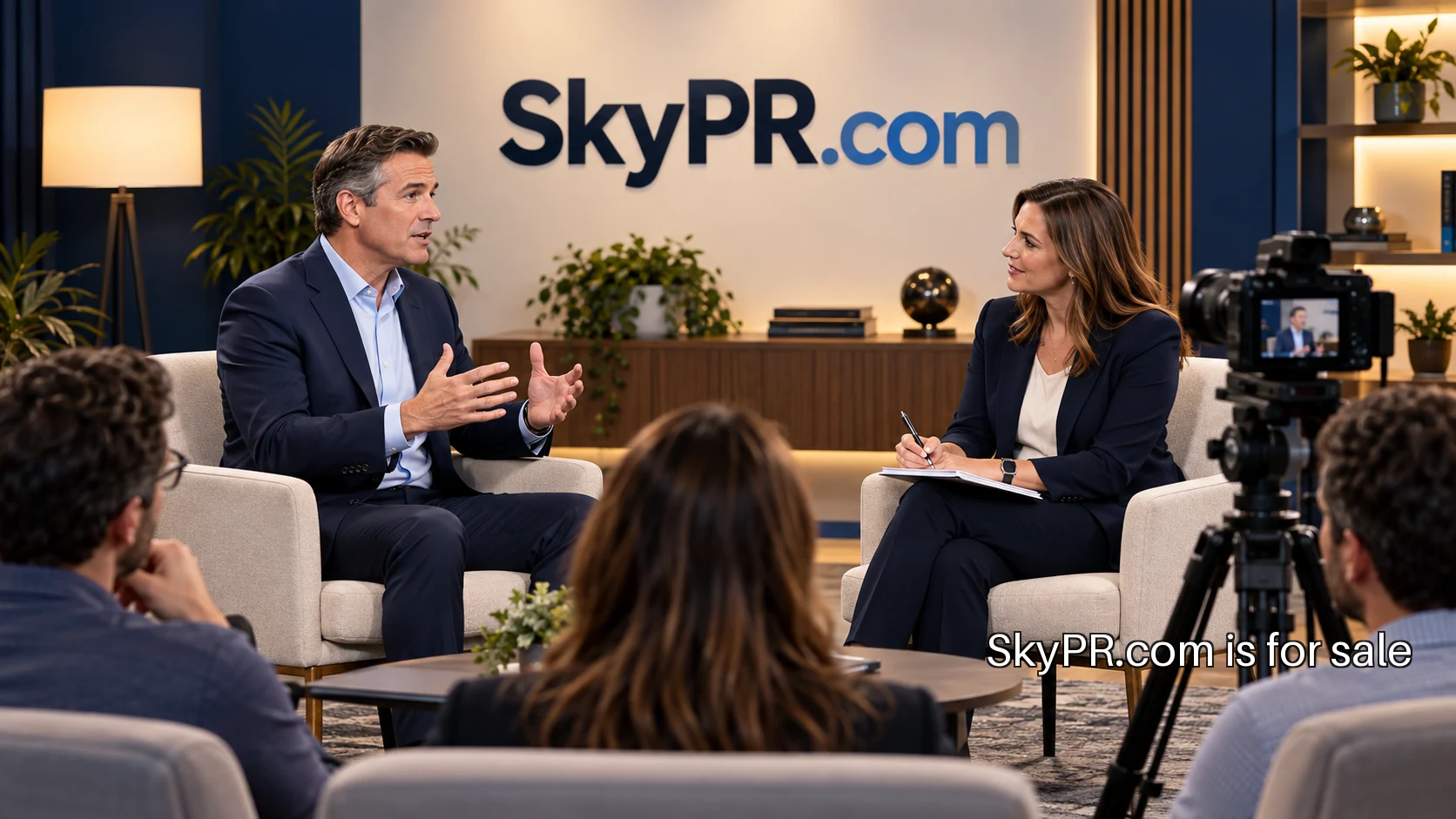
Communications training becomes useful when participants practice a task they will actually face. A SkyPR.com training business could begin with a focused workshop for professionals preparing to speak about their organization. The first course might cover explaining an announcement, handling an interview or answering difficult stakeholder questions. It would give participants a chance to rehearse, receive specific feedback and try again. This is one possible direction for a purchaser of the domain.
Pick a moment, not a broad subject
“Learn public relations” is too wide for a first course. “Prepare for your first recorded media interview” names a moment with a clear buyer and a concrete exercise. A communications manager could commission it for a new group of spokespeople. Participants would arrive with a short brief and leave with a better understanding of how they explain the subject under questioning.
Talk to potential buyers about that moment. What happens before the interview? Who prepares the spokesperson? Which mistakes recur? The answers help define the material and the workshop format. A founder should know whether the buyer needs a short team session, individual coaching or a repeatable program for new hires before recording a large library of lessons.
Design the first exercise
A useful starting exercise asks each participant to explain one announcement in a minute. Record the attempt with consent, then review a small set of criteria: clarity, evidence, relevance to the audience and handling of uncertainty. Feedback should refer to a sentence the participant actually said. “Explain the change before describing the process” is easier to use than “be more compelling.”
Then repeat the exercise with a different question. The second attempt shows whether the participant can apply the feedback rather than memorize a script. Keep the group small enough for everyone to practice. A polished slide deck cannot compensate for a session in which most people only watch other participants speak.
Build a course from the working session
After a few carefully observed sessions, the founder can identify which explanations are repeatedly useful. Those can become short preparation lessons. A module might demonstrate how to separate a verified fact from an intended outcome, or how to answer a question that reaches beyond the spokesperson's knowledge. Each lesson should prepare participants for an exercise, rather than become an end in itself.
The PRSA Code of Ethics offers a reference for accuracy and responsible representation. A training business can use that as context for a practical scenario: a spokesperson is asked to repeat an unsupported claim. The exercise is to acknowledge the limit clearly and return to what can be established, without sounding evasive.
Give the buyer a useful handover
A manager buying the workshop needs to know what participants practiced and what should happen next. Provide a short summary of the exercises, the criteria used and a suggested follow-up session. Keep individual feedback appropriately private. The manager should receive enough information to support continued practice without turning a learning session into an uncomfortable performance ranking.
Participants could leave with a personal preparation sheet. It might contain the three questions they need answered before the next interview, a list of evidence to review and one speaking habit to practice. The sheet is more useful when it reflects the session rather than a generic checklist. It gives the learner a practical bridge to the next real assignment.
Find a sensible route to the first cohort
The founder could work with a professional association, a business support organization or an in-house communications team. A short sample exercise can help a buyer judge the teaching approach. Show what participants do, how feedback is given and what preparation is needed. Make the expected group size and session boundaries clear before the booking.
The first cohort should be treated as a working test of the course. Ask participants which exercise they could use immediately and where instructions were unclear. Ask the commissioning manager whether the session addressed the original need. A course can receive enthusiastic feedback and still miss the task that prompted the purchase. The founder needs both perspectives.
Evaluate learning without overstating it
Attendance is one kind of information; demonstrated application is another. The AMEC evaluation framework is helpful context for distinguishing activity from subsequent effects in communications work. For a workshop, a simple before-and-after exercise can show what changed during the session. A later conversation can explore whether participants used the method in their work.
Do not turn one successful rehearsal into a promise about every future interview. Report the observed task and the evidence available. That clarity supports better course design because it keeps the founder focused on what the training can teach and what requires continued practice.
Make a place learners can return to
SkyPR.com could hold the first workshop and the related courses that follow. The founder might later add specialist sessions for technical spokespeople or managers handling internal announcements. The common thread would be practical communications work, taught through rehearsal and feedback. Begin with one task that matters, run a session worth repeating and let the course collection grow from actual learning needs.
A name for your next communications business.
Ask about acquiring SkyPR.com or share a partnership proposal.